A Good Year for the Summer Orphans
As some of you will know, I have a novel written — Summer Orphans — following the lives of two young boys, Willie and Pearse, in South Armagh in 1972.
And what a year it has been for the boys!
I’ve been sending the novel out to various competitions, and the response has been genuinely heartening.
This year, Summer Orphans has been:
selected for Date With An Agent at the International Literary Festival Dublin
longlisted for the Blue Pencil Agency First Novel Award
longlisted for the CRAFT First Chapters Contest
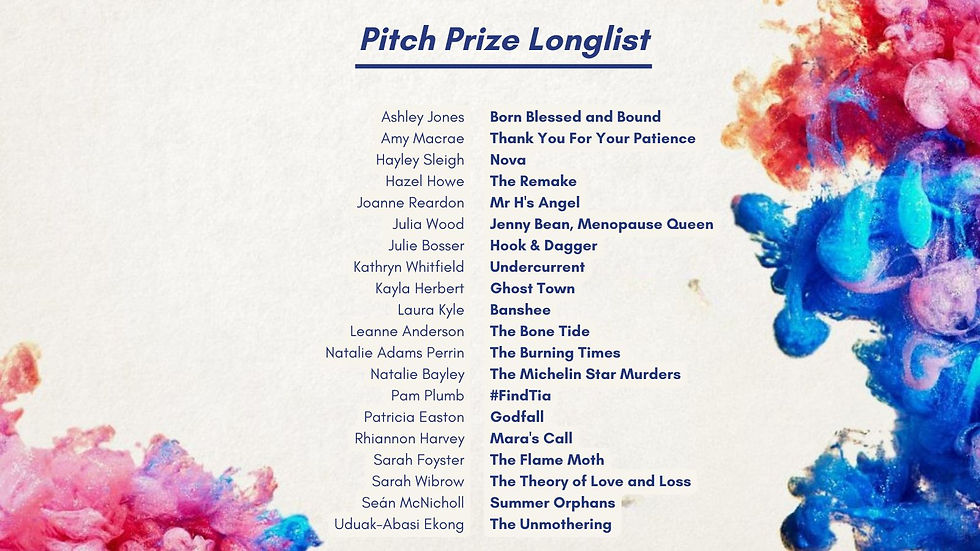
longlisted for the Blue Pencil Pitch Prize
Now, none of these are wins. None come with a book deal attached. And yet, taken together, they matter more than they might seem.

Each of these selections looks at a novel from a different angle. CRAFT focuses on voice, control, and the power of an opening. The First Novel Award looks at structure and literary promise. The Pitch Prize tests whether the concept itself holds weight. Date With An Agent is perhaps the most personal — a vote of confidence not just in the manuscript, but in the writer behind it, and the chance to sit down one-to-one with a real, working literary agent.

What encourages me isn’t any single longlisting, but the pattern: the same manuscript passing through multiple, independent filters.


Writing a novel is a lonely, uncertain process. For long stretches, you’re working in a vacuum — making decisions, following instinct, and hoping it all adds up to something coherent, honest, and alive. External validation doesn’t make the work better, but it does confirm that the thing you’ve been trying to build is visible to other people — that it’s landing.
Summer Orphans is a novel rooted in childhood, friendship, and fear, set against the quiet menace of the Troubles-era borderlands. It’s been rewritten, restructured, cut back, and rebuilt more times than I can actually remember. These longlistings don’t mean the journey is over — if anything, they underline just how much patience this stage requires.


But they do mean the novel is doing what a debut novel is supposed to do: getting through first gates, attracting serious readers, and staying in the conversation.

I am deeply thankful to BPA, CRAFT and ILFD for all their support and encouragement. They have all been so friendly and engaging throughout all of this.
I would also like to thank the agents who were involved in the process, and selected my manuscript from amongst so many fantastic pieces. It has given me such confidence and belief to pursue this further into 2026.

I’m grateful for every reader who’s spent time with it so far, and I’ll keep pushing it forward — querying, revising, and writing the next thing — until it finds the right home.


Comments